
D
Describe the job once
Share your opening size, door type (sectional or roll-up), operator details, and usage, and we connect you with a local contractor who handles commercial doors.
Describe your building, opening size, and how the door is used once, and we'll connect you with a local contractor who installs and services commercial overhead doors.
CALL NOW: (956) 477-1930
Commercial garage door installation is more than swapping panels. The installer has to match the door type, track, springs, and operator to how the opening is built and how the door will be used day to day.
A typical installation scope can include:
In Laredo, many sites see a lot of dust and wind-driven grit. Contractors often recommend hardware and track setups that stay aligned and roll smoothly even with frequent cycling, and they may suggest an operator style that keeps moving parts up and out of the way when headroom allows.
If you also need help with ongoing fixes after the install, garage door repair is often handled by the same kind of contractor who installs commercial systems, so describing your door type and symptoms clearly matters either way.
Share your opening size, door type (sectional or roll-up), operator details, and usage, and we connect you with a local contractor who handles commercial doors.
You speak with the installer about options, lead times, and warranty terms, then decide whether to move forward.
Commercial openings vary. The contractor can advise on headroom constraints, high-lift track needs, wind exposure, and traffic patterns at the dock or bay.
If the door is already in place but not working right, we can connect you for commercial garage door service, roll up door repair, or industrial garage door repair depending on the system.
The contractors we connect you with work in and around Laredo, so you are talking to someone familiar with common commercial building layouts in the area.
Share the door type (sectional overhead, rolling steel, sheet door), approximate opening size, and whether there is an operator, chain hoist, or manual lift.
Let us know if this is a new opening, a replacement, or an upgrade for higher cycle use, better sealing, or a different track layout.
You'll talk through details like track style, insulation needs, vision panels, operator type, and any safety accessories.
Expect questions about headroom, sideroom, mounting surfaces, power availability, and how the door interacts with forklifts, dock equipment, or parking traffic.
If the scope and timeline work for you, you schedule directly with the contractor who will perform the installation or repair.
If a bay door is holding up loading, deliveries, or daily operations, describe the opening and what the door needs to do. We'll connect you with a local contractor who works on commercial overhead doors.
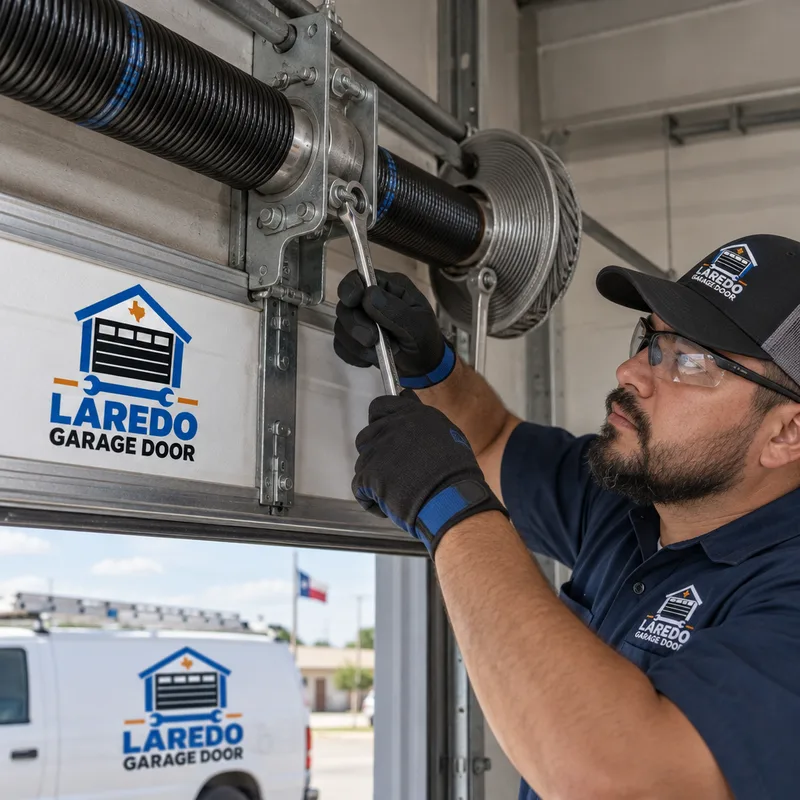
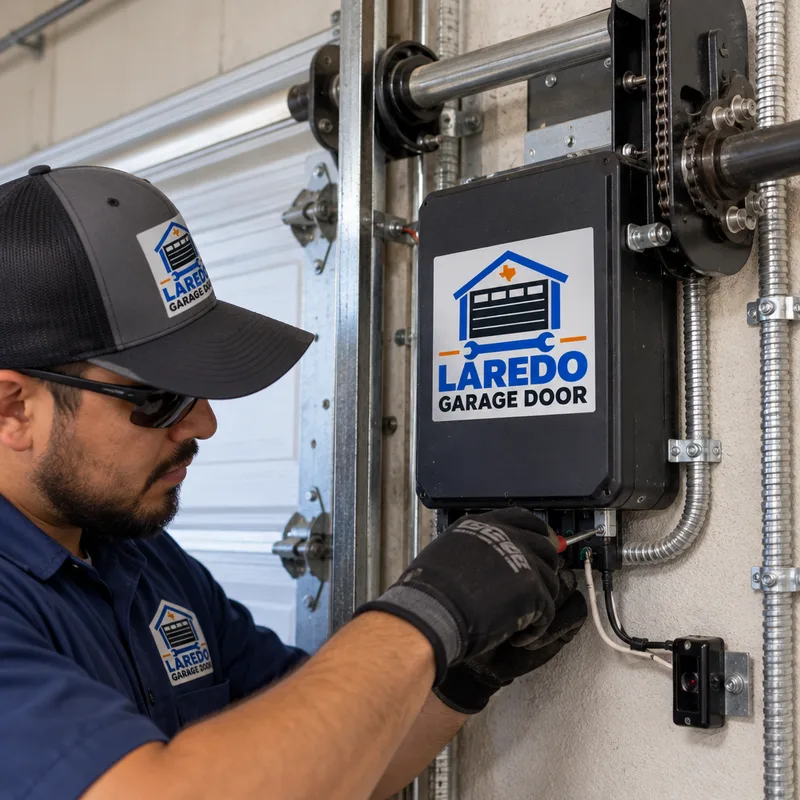
The most useful details are the opening width and height, the door type (sectional overhead or roll-up), and how the door is used (cycle frequency, vehicle type, dock access). If you can also share photos of the opening, the inside headroom area, and any existing operator or control station, the contractor can narrow down the right track style and operator approach.
Headroom and how you use the opening usually decide it. Rolling doors coil into a hood above the opening and can fit where ceiling space is limited, while sectional overhead doors run on horizontal tracks and can be better for insulation and frequent cycling. The contractor you speak with will ask about clearances, security needs, and whether forklifts or tall vehicles need extra vertical lift.
Commercial overhead door repair typically starts with checking balance, cables, drums, rollers, and track alignment before adjusting operators or controls. Many “won't move” calls trace back to a broken spring, a slipped cable, a damaged bottom fixture, or a track that has been hit and pulled out of alignment, and the right fix depends on the door's weight and hardware.
Yes. We can connect you with contractors who handle commercial garage door service like roller replacement, track adjustments, spring and cable inspection, and operator tuning. For sites with frequent cycles, planned service helps catch wear in rollers, hinges, bearings, and limit settings before it turns into downtime.
Common causes include misaligned guides, damaged slats, a bent bottom bar, worn end locks, or problems with the barrel and tensioning system. Roll-up doors also get knocked out of alignment by impacts at the jambs, and once the curtain starts to bind, the operator can strain or stop mid-travel.
They usually start with door condition and clearances: track or guide alignment, floor level at the threshold, and signs of impact at the jambs. For sectional doors, they will also check lift cables and drum wrap; for rolling doors, they'll check the curtain, guides, and barrel area. This first look helps separate an operator issue from a door hardware issue.
We can connect you with contractors who service commercial operators along with the door itself. Expect questions about the operator type (trolley, jackshaft, hoist), what the door does when it fails (stops, reverses, hums, runs without moving the door), and whether any safety sensors, photo eyes, or monitored edges are involved.
Call and describe the opening, the door type, and what's happening. Laredo Garage Door will connect you with a local contractor who can inspect the system, explain your options, and handle the installation or repair you choose.